
Planning your trip to Spain? Whether you’re wandering the lively streets of Barcelona, sharing tapas in Seville, or admiring art in Madrid, there’s more to enjoying Spain than just sightseeing. Understanding Spanish customs can make your trip smoother, more respectful, and deeply memorable.
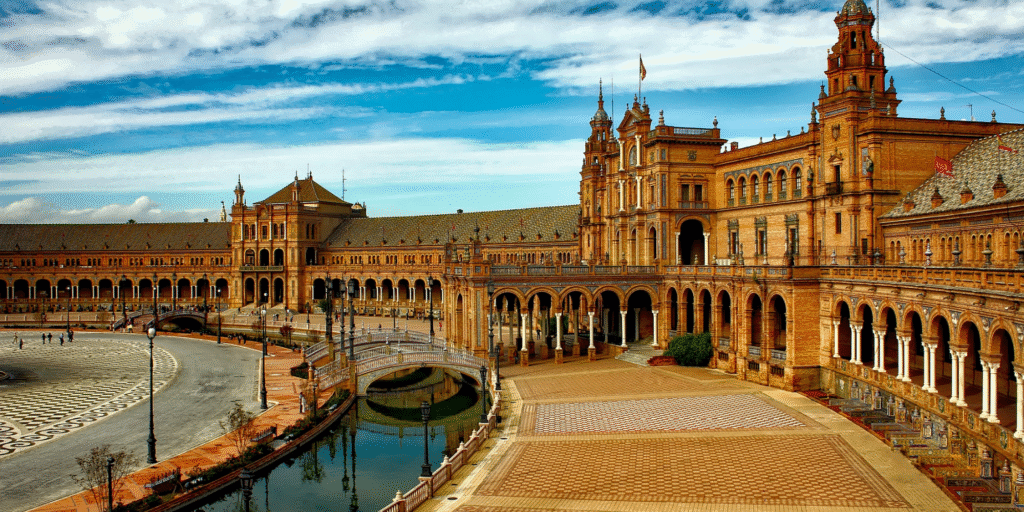
Plaza de España, Seville, Spain.
From how to greet locals to when to order dinner, here are the essential Spanish customs every traveler should know before arriving.
1. Don’t Touch the Food—Wait and Share
In Spain, meals are social. Sharing tapas is common, but avoid reaching with your hands—use the serving spoon or tongs instead. Moreover, wait until everyone at the table has been served before you begin eating.
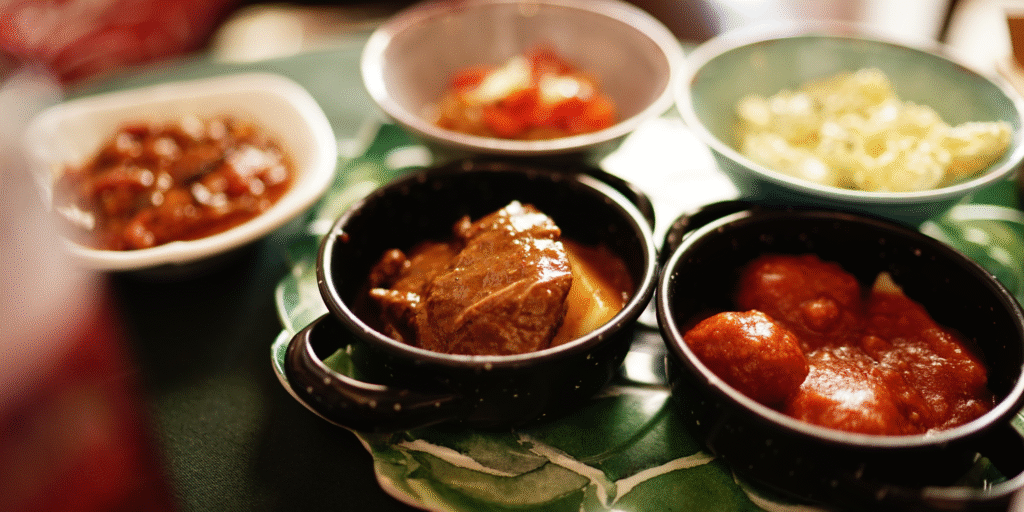
Traditional Spanish tapas on a table in Seville
👉 Pro tip: Bread is never cut with a knife—it’s gently torn by hand.
2. Embrace the Spanish Schedule
Spain runs on its own rhythm. Lunch often starts at 2 PM, dinner after 9 PM, and many small shops close from 2 to 5 PM for siesta. As a result, plan your outings accordingly—especially in smaller towns where this tradition still thrives.
On the other hand, larger cities like Madrid or Barcelona may follow a more modern schedule, but the laid-back timing still applies to meals.
3. Two Kisses, Not a Handshake
Forget handshakes. In most social settings, especially among women or mixed company, people greet with dos besos—a kiss on each cheek (right side first). Men typically shake hands unless they’re close friends.
In addition, greetings are warm and familiar, even with strangers.
4. Use Your Spanish—Even a Little Goes Far
Speaking a few words in Spanish—even just “hola” or “gracias”—goes a long way. Locals genuinely appreciate the effort, and it helps you connect more meaningfully.
Want to blend in better? Read our guide on Spanish phrases every traveler should know before your trip.
5. Coffee and Drinks Are Meant to Be Savored
Unlike North America, where coffee often comes in a to-go cup, Spain is all about enjoying your drink in the moment. Most locals drink their café con leche slowly, sitting down at a café, sometimes with a small pastry. Takeaway (para llevar) is rare outside of large cities.
Note: If you want iced coffee, ask for a “café con hielo”—you’ll get a hot coffee with a glass of ice on the side.e might confuse some waiters—ask for a “café con hielo” instead.
6. Respect the Fiesta—and the Peace That Follows
Spain is known for its lively fiestas, but also for its tranquilidad. After the fun, people respect quiet—especially in the evenings. Talking loudly in stairwells or playing music late at night is frowned upon in residential areas.
Despite the noise of celebrations, quiet time is observed seriously.
7. Dress Smart, Even Casually
Spaniards dress stylishly—even when casual. Walking into a shop or restaurant in beachwear, flip-flops, or athletic clothes (outside the gym) is considered inappropriate.
Instead, opt for casual elegance: think tailored jeans, flats, and a lightweight scarf.
8. Avoid Calling During Siesta
From around 2 PM to 5 PM, most locals rest or have lunch with family. It’s best not to make calls or knock on doors during this time.
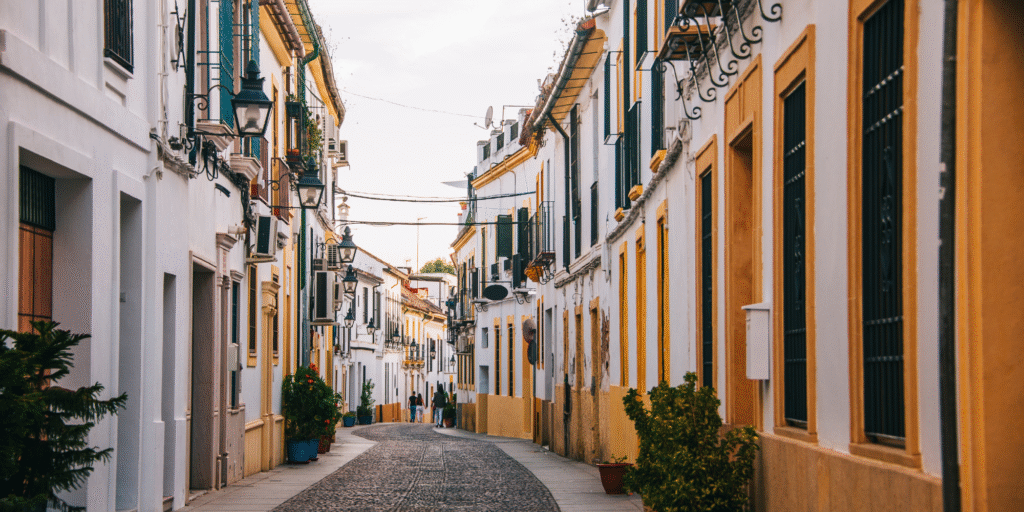
Quiet alley during siesta time in Córdoba
Ultimately, respecting siesta shows awareness of the slower, more intentional Spanish lifestyle.
9. Be Chill About the Bill
Unlike in North America, where bills are split precisely, Spaniards tend to round up or take turns paying. If splitting, it’s usually done evenly—not item by item.
And tipping? Not mandatory, but appreciated. Rounding up or leaving 5–10% in restaurants is more than enough.
10. Respect Sunday Tradition
Sundays in Spain are sacred—most stores and even supermarkets are closed. It’s a day for family, rest, and long meals. Plan ahead and enjoy a peaceful Sunday walk, a visit to a museum, or a long lunch with friends.
Looking for things to do on a Sunday? Visit a local mercado, take a walking tour, or just relax like a local.
For local events and travel updates, visit Spain’s official tourism website.
Bonus Travel Tip: Capture the Culture
Spain is full of Instagrammable spots, but always ask before photographing people—especially during religious processions or in small towns. Locals may appreciate a moment of respect before the camera clicks.
Learn more about cultural etiquette around the world with Rick Steves’ Travel Blog.
Final Thoughts: Travel Spain with Confidence
Understanding these simple customs can completely transform your trip to Spain. From a respectful greeting to savoring your café con leche slowly, these little gestures show that you’re not just a tourist—you’re a curious traveler willing to embrace a new culture.
📌 Save this post, share it with your travel buddies, and start practicing those Spanish phrases today!
🌐 And for more cultural tips and language guides, visit SayItInSpanish.org — your all-in-one resource for learning Spanish and exploring Spain.
Pingback: Say It Like a Local: Common Spanish Slang Explained - sayitinspanish.org